

While a growing number of people support banning single-use plastic bags, others question its validity and effectiveness as a policy solution to the problem of plastic bag litter. The pros, cons, and potential unintended consequences of plastic bag bans are analysed in this paper. Countries that have plastics rules are highlighted in the report. This paper gives readers an in-depth look at the rules and regulations that must be followed during the production, import, storage, distribution, and sale of plastics. The report also includes a list of nations that have regulations limiting the thickness of plastic carrying bags.
Regulations and requirements for plastics production, sales, distribution, and stocking are laid out in great detail in this study. The pros, cons, and potential unintended consequences of plastic bag bans are all discussed in the report. The countries that have plastics rules are also listed in the report.
The pros, cons, and potential unintended consequences of plastic bag bans are analysed in this paper. Countries that have plastics rules are highlighted in the report. This paper gives readers an in-depth look at the rules and regulations that must be followed during the production, import, storage, distribution, and sale of plastics. The report also includes a list of nations that have regulations limiting the thickness of plastic carrying bags. There has been a consistent global expansion in the production of plastics for use in consumer electronics, building insulation, food preservation, and automotive fuel efficiency. However, the enormous quantities of plastics used in daily life lead to a massive amount of trash, considerable quantities of pollution, and persistent environmental and species-related harm. The public's evolving understanding of the pervasiveness of plastic pollution has recently changed attitudes and laid the groundwork for a more robust regulatory response. Several countries, regions, and cities have recently enacted plastic-related legislation and restrictions. Reducing consumption and improving waste management during use and disposal are the primary focuses. Most countries now charge or otherwise discourage the use of disposable items and plastic packaging.
Plastic rules are becoming more stringent over the world. To mitigate the harm that plastic trash does the environment, governments and regulatory agencies are enacting new, more stringent norms and standards. This encompasses rules concerning plastic bags, plastic straws, plastic straw covers, plastic straws, plastic straws, plastic straws, and plastic straws. A more sustainable and circular economy, as well as rising environmental concerns, are driving the trend towards stricter rules. Increased emphasis is being placed on extended producer responsibility in plastics legislation. Manufacturers and producers must assume liability for the disposal of their plastic goods under EPR programmes. There should be an emphasis on recycling-friendly product design, product take-back initiatives, and waste management infrastructure investment. Manufacturers are encouraged to create items that can be recycled through the implementation of Extended Producer Responsibility (EPR) programmes. One major development in the Plastic Regulatory industry is the shift towards a circular economy. In an effort to decrease plastic waste and enhance recycling rates, governments and organisations are advocating for circular economy ideas. This includes recycling-friendly product design, repair and reuse programmes, and investment in waste-management facilities. The idea of the circular economy is to reuse plastics as much as possible while reducing their environmental impact.
Businesses all the way up and down the value chain are being impacted by the proliferation of rules and regulations pertaining to plastic use and disposal. Several countries, regions, and cities have recently enacted plastic-related legislation and restrictions. The primary objectives are reduced consumption and improved waste management across the whole life cycle (from production to final disposal). Most often, regulatory measures were taken to outlaw plastic use altogether. Almost all of the regulations imposed on plastic products were directed at their promotion and sale rather than their production or importation.
Report Coverage
Global Plastic Regulatory research report categorizes the market for global based on various segments and regions, forecasts revenue growth, and analyzes trends in each submarket. Global Plastic Regulatory report analyses the key growth drivers, opportunities, and challenges influencing the global market. Recent market developments and Plastic Regulatory competitive strategies such as expansion, product launch and development, partnership, merger, and acquisition have been included to draw the competitive landscape in the market. The report strategically identifies and profiles the key Plastic Regulatory market players and analyses their core competencies in each global market sub-segments.
| REPORT ATTRIBUTES | DETAILS |
|---|---|
| Study Period | 2017-2030 |
| Base Year | 2022 |
| Forecast Period | 2022-2030 |
| Historical Period | 2017-2021 |
| Unit | Value (USD Billion) |
| Key Companies Profiled | U.S. Environmental Protection Agency (EPA), European Chemicals Agency (ECHA), Food and Drug Administration (FDA), Ministry of Environment, Forest and Climate Change (India), National Health Commission (China), Canadian Food Inspection Agency (CFIA), National Institute for Health and Welfare (THL) (Finland), Federal Institute for Risk Assessment (BfR) (Germany), National Institute of Food and Drug Safety Evaluation (KFDA) (South Korea), Ministry of Ecology and Environment (China), Environment Agency (United Kingdom), Ministry of Health, Labour and Welfare (Japan), Australian Government Department of Agriculture, Water and the Environment, Health Canada, Ministry of Health (Brazil) |
| Segments Covered | • By Product |
| Customization Scope | Free report customization (equivalent to up to 3 analyst working days) with purchase. Addition or alteration to country, regional & segment scope |
Key Points Covered in the Report
- Market Revenue of Plastic Regulatory Market from 2021 to 2030.
- Market Forecast for Plastic Regulatory Market from 2021 to 2030.
- Regional Market Share and Revenue from 2021 to 2030.
- Country Market share within region from 2021 to 2030.
- Key Type and Application Revenue and forecast.
- Company Market Share Analysis, Plastic Regulatory competitive scenario, ranking, and detailed company
profiles. - Market driver, restraints, and detailed COVID-19 impact on Plastic Regulatory
Market
Competitive Environment:
The research provides an accurate study of the major organisations and companies operating in the global Plastic Regulatory market, along with a comparative evaluation based on their product portfolios, corporate summaries, geographic reach, business plans, Plastic Regulatory market shares in specific segments, and SWOT analyses. A detailed analysis of the firms' recent news and developments, such as product development, inventions, joint ventures, partnerships, mergers and acquisitions, strategic alliances, and other activities, is also included in the study. This makes it possible to assess the level of market competition as a whole.
List of Major Market Participants
U.S. Environmental Protection Agency (EPA), European Chemicals Agency (ECHA), Food and Drug Administration (FDA), Ministry of Environment, Forest and Climate Change (India), National Health Commission (China), Canadian Food Inspection Agency (CFIA), National Institute for Health and Welfare (THL) (Finland), Federal Institute for Risk Assessment (BfR) (Germany), National Institute of Food and Drug Safety Evaluation (KFDA) (South Korea), Ministry of Ecology and Environment (China), Environment Agency (United Kingdom), Ministry of Health, Labour and Welfare (Japan), Australian Government Department of Agriculture, Water and the Environment, Health Canada, Ministry of Health (Brazil)
Primary Target Market
- Market Players of Plastic Regulatory
- Investors
- End-users
- Government Authorities
- Consulting And Research Firm
- Venture capitalists
- Third-party knowledge providers
- Value-Added Resellers (VARs)
Market Segment:
This study forecasts global, regional, and country revenue from 2019 to 2030. INFINITIVE DATA EXPERT has segmented the global Plastic Regulatory market based on the below-mentioned segments:
Global Plastic Regulatory Market, By Type of Regulation
Environmental Regulations
Packaging Regulations
Chemical Regulations
Recycling and Waste Management Regulations
Product Safety and Quality Regulations
Global Plastic Regulatory market, By Application
Food Packaging Regulations
Medical Device Regulations
Automotive Regulations
Construction Regulations
Electronics Regulations
Consumer Goods Regulations
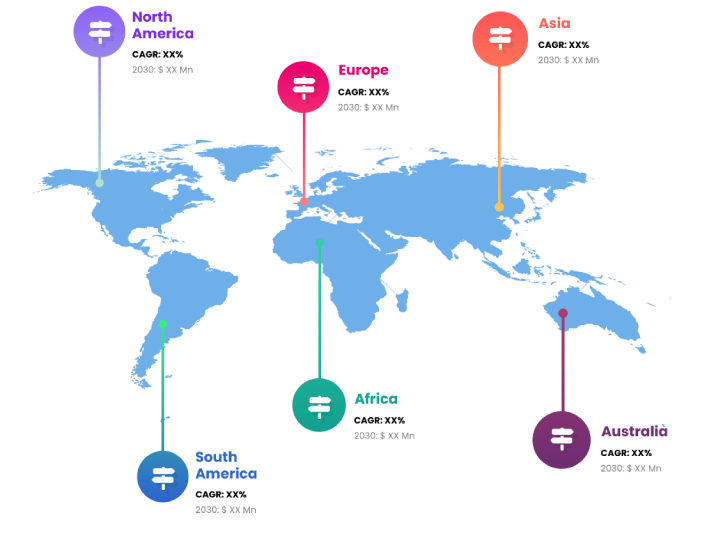
Global Plastic Regulatory market, Regional Analysis
- Europe: Germany, Uk, France, Italy, Spain, Russia, Rest of Europe
- The Asia Pacific: China,Japan,India,South Korea,Australia,Rest of Asia Pacific
- South America: Brazil, Argentina, Rest of South America
- Middle East & Africa: UAE, Saudi Arabia, Qatar, South Africa, Rest of Middle East & Africa
You will get in-depth and extensive plastic regulatory market market research and competitor analysis for your business to help you develop more profound insights into the plastic regulatory market Market.
Through INFINITIVE Data Expert is a professional Market Research services, I will identify the plastic regulatory market market size, demand & opportunities, growth rate, and target audience with a comprehensive analysis of your competitors.